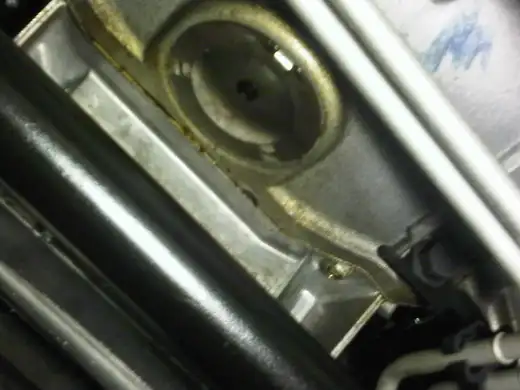
A healthy IS350 should feel clean, sharp, and calm when you ask for power. Lexus IS350 carbon buildup problems are worth checking when that same car begins to feel lazy off the line, slightly shaky at idle, or flat during a highway pass. The tricky part is that this issue does not always arrive like a broken part. It creeps in. Many U.S. owners notice it after years of short trips, stop-and-go commuting, long oil intervals, or mixed fuel quality. The car still starts. It still drives. That is why the problem gets blamed on old spark plugs, bad gas, weak coils, or “normal aging.” For a luxury sport sedan, that slow fade feels worse because the IS350 is supposed to be smooth. Good trusted repair guidance can help owners separate a real intake deposit issue from common wear items before paying for the wrong fix. The key is not panic. It is pattern recognition.
Why Lexus IS350 Carbon Buildup Problems Feel Different From Older Direct-Injection Cars
The IS350 sits in a strange place in the carbon discussion because many people borrow fear from other engines. They read about harsh deposit issues on older direct-injection cars, then assume every symptom means the intake valves are packed with soot. That is too simple. The IS350 deserves a more careful read because its fuel system, driving style, and maintenance history all shape the outcome.
The IS350’s dual-injection setup changes the whole diagnosis
The non-obvious truth is that the IS350 is not the same carbon story as the smaller IS250 that many forum threads complain about. The IS350 has used Toyota and Lexus fuel strategies that can include both port and direct injection, depending on model year and engine version. That matters because port fuel can wash across the back of the intake valves during some operating conditions.
That does not make the engine immune. Oil vapor from the PCV system can still enter the intake stream. Heat cycles can bake residue onto metal surfaces. A car that spends most of its life crawling through Los Angeles traffic or doing cold starts in a Chicago suburb may still build deposits faster than a car that sees steady highway use.
This is where many owners lose money. They hear “direct injection” and ask for cleaning before checking the full symptom pattern. A better first move is to note when the problem appears. Cold idle? Hot restart? Light throttle? Full-throttle pull? Those answers point the diagnosis in a cleaner direction than guessing from the badge on the trunk.
How intake valve deposits change airflow before power falls off
Intake valve deposits do not usually steal power in one dramatic moment. They disturb airflow first. Air should enter each cylinder in a smooth, measured way. When baked residue builds around the valve stem and valve back, the airflow pattern becomes uneven. The engine computer can correct small errors, but it cannot make dirty airflow act like clean airflow forever.
The early sign is often a tiny stumble that feels too mild to explain. You press the pedal and the car responds, but not with the same crisp edge. One cylinder may breathe a little worse than the others. The oxygen sensors and fuel trims start chasing the difference. No warning light appears yet.
A good example is an IS350 with 110,000 miles that drives fine on the interstate but feels rough during a low-speed turn into a parking lot. That is not how owners expect engine deposits to show up. They expect wide-open-throttle power loss. In real life, the first clue may be a soft shudder at 700 rpm while the air conditioning is on.
Symptoms That Separate Dirty Valves From Normal Lexus Wear
Lexus engines hide problems better than many cars because they stay smooth even when something is drifting out of range. That is good for comfort and bad for diagnosis. A small vibration can be ignored for months. By the time the issue feels clear, several other parts may be under suspicion.
Why engine hesitation shows up before a warning light
Engine hesitation is one of the most common complaints because it fits the way deposits affect airflow. The car may pause for half a beat after you press the pedal. Then it catches up. That small delay can feel like transmission lag, throttle lag, or weak fuel delivery.
A dirty intake path can make the hesitation worse at low rpm because airflow speed is lower there. The engine has less margin to hide uneven breathing. Once rpm climbs, the symptom may fade. That is why some owners say the car feels weak in town but strong once it is moving.
Do not ignore fuel trims, misfire counters, and freeze-frame data if you have access to a scan tool. A check engine light is not the starting line for diagnosis. It is often the point where the car has already lost its ability to cover up the issue. For a buyer, this is why a used Lexus inspection checklist should include a cold start, idle check, and live-data scan.
The rough idle test that tells you when to stop guessing
A rough idle caused by deposits often feels uneven rather than violent. The steering wheel may pulse. The seat may tremble. The tachometer may look steady while the engine feels unsettled. That gap between what the gauges show and what your body feels is a useful clue.
Try a simple observation pattern before spending money. Start the car cold. Let it settle without touching the pedal. Turn the air conditioning on, then off. Shift from Park to Drive with your foot on the brake. A deposit-related idle problem often becomes more obvious when the engine is loaded at low rpm.
One odd insight: a smooth highway test does not clear the engine. Many IS350 owners assume that if the car pulls well at 70 mph, the intake side must be clean. Not so. A car can breathe well enough under load yet stumble when airflow demand is small and precise. Low-speed manners can expose what high-speed power hides.
What Causes Deposits Even When the Car Has Been Maintained
Owners hate hearing this, but carbon buildup can happen on a maintained car. That does not mean maintenance failed. It means the intake side sees more than fuel and air. Oil vapor, combustion byproducts, heat soak, and driving patterns all play a part. Clean oil and good fuel help, but they do not erase physics.
Short trips, oil vapor, and slow heat cycles
Short trips are hard on the intake system because the engine spends more time warming up than operating at stable temperature. During warm-up, vapor control is less tidy. Moisture, fuel residue, and oil mist can pass through the intake path. Then the car shuts off before heat has had time to burn off light contamination.
Think about a suburban owner in New Jersey who drives three miles to school drop-off, two miles to the gym, then four miles home. The odometer barely moves, so the car seems gently used. The engine sees constant cold cycles, though. That can age the intake system faster than a longer commute at steady speed.
The counterintuitive part is that low mileage can be less comforting than it looks. A 65,000-mile IS350 with years of short trips may feel worse than a 120,000-mile car that lived on Texas highways. Mileage matters, but temperature pattern matters more than many owners expect.
Why premium fuel helps less than owners expect
Premium fuel is about octane rating, not magic cleaning power. The IS350 may require or recommend premium depending on year and market, and owners should follow the fuel door and manual. Still, octane alone does not promise a cleaner intake system. Detergent quality matters in a different way.
Fuel detergents can help keep injectors and combustion areas cleaner, and TOP TIER gasoline standards give owners a better target than picking fuel by price alone. The catch is that fuel cannot wash every intake-valve surface in every operating mode. That is especially true when deposits are fed by oil vapor rather than poor gasoline.
This is why “I only use premium” does not end the discussion. It is useful information, not proof. A better maintenance story includes oil change history, PCV health, air filter quality, driving pattern, and whether previous misfires were handled fast. Premium fuel is one piece of the puzzle. It is not the whole picture.
Smart Cleaning, Repair, and Prevention Decisions for U.S. Owners
The right repair depends on proof, not fear. Some IS350 engines need cleaning. Some need spark plugs, coils, a vacuum leak repair, a software check, or injector testing. The owner’s job is to avoid paying for a dramatic service because the symptom sounds familiar.
When a walnut blasting service makes sense
A walnut blasting service makes sense when symptoms, inspection, and test data all point toward intake restriction. This service removes the intake manifold and cleans valve deposits with crushed walnut shell media. Done correctly, it can restore airflow without using harsh scraping on metal surfaces.
The job should not be sold as a first guess. A shop should explain why it believes deposits are the cause. Borescope photos help. So do fuel trim readings, misfire data, and a clear idle complaint. If a shop cannot show its reasoning, pause before approving the work.
Prices vary across the U.S. because labor rates differ. A Lexus specialist in Southern California may quote more than an independent Toyota shop in Ohio. The better question is not which price is lowest. Ask whether the shop will replace intake gaskets, clean the throttle body if needed, inspect PCV parts, and protect the engine from leftover media.
How to slow the next round of buildup without wasting money
Prevention is less exciting than cleaning, but it saves more money. Use quality oil that meets the correct Lexus specification. Keep oil intervals sane for your driving pattern. A car used for short trips may need tighter service habits than a car used for long highway drives.
Do not pour every intake cleaner into the engine because a video made it look easy. Some sprays may help with light residue in certain areas, but heavy deposits on valve backs often need direct cleaning. Blind chemical treatments can also create smoke, sensor complaints, or false hope.
The better plan is boring. Use quality fuel, keep the air filter sealed, fix oil leaks, watch PCV condition, and give the engine full warm-up time when possible. Owners who plan to keep the car long-term should read a direct injection maintenance guide and build habits around the way the engine is used. That is cheaper than chasing symptoms after the car starts shaking at every red light.
Conclusion
The IS350 does not need fear-based maintenance. It needs close attention to small changes in idle quality, throttle response, and low-speed smoothness. A clean diagnosis matters because the same symptoms can come from spark plugs, coils, vacuum leaks, aging mounts, dirty injectors, or software behavior. That is why Lexus IS350 carbon buildup problems should be treated as a pattern, not a guess. The smartest owner looks at driving history, scan data, fuel habits, and inspection results before paying for intake cleaning. When deposits are confirmed, a proper cleaning can bring back the calm pull that made the car feel special in the first place. When they are not confirmed, restraint saves money. Keep the engine warm, serviced, and watched with a little discipline, and the IS350 can keep its quiet strength for years. Book a real diagnosis before buying a repair.
Frequently Asked Questions
How do I know if my Lexus IS350 has carbon buildup?
Look for a pattern: rough cold idle, mild shaking at stops, slower throttle response, small misfires, or hesitation at low rpm. One symptom alone is not enough. A scan tool, intake inspection, and maintenance history give a much stronger answer.
Is carbon buildup common on the Lexus IS350?
It can happen, but it should not be treated the same as older direct-injection engines with worse reputations. The IS350’s fuel system design may reduce the risk in some conditions. Driving style, oil vapor, and short trips still matter.
Can carbon buildup reduce engine performance over time?
Yes, deposits can disturb airflow and make the engine feel weaker, slower, or less smooth. The loss is often gradual. Many owners notice low-speed hesitation or idle shake before they notice a clear power drop during hard acceleration.
Will premium gas prevent intake valve deposits?
Premium gas helps meet the engine’s octane needs, but octane is not the same as cleaning power. Quality detergent fuel is still wise. Even then, oil vapor and heat cycles can create deposits that gasoline may not fully remove.
Is walnut blasting safe for a Lexus IS350 engine?
It can be safe when performed by a skilled shop that protects the engine and removes all media. The intake manifold usually comes off, and the valves are cleaned directly. Poor setup or rushed cleanup can create new problems.
How much does intake carbon cleaning cost in the USA?
Cost depends on labor rate, shop type, and how much must be removed to reach the valves. Independent Toyota and Lexus specialists often cost less than dealers. Ask what gaskets, inspections, and cleanup steps are included before approving the job.
Can bad spark plugs feel like carbon buildup?
Yes, worn spark plugs or weak ignition coils can mimic dirty intake symptoms. Both can cause hesitation, rough idle, and misfires. That is why basic ignition checks should happen before assuming the intake valves need cleaning.
Should I buy a used Lexus IS350 with possible carbon buildup?
A used IS350 can still be a strong buy if the issue is diagnosed before purchase. Get a cold start, scan for misfire history, check service records, and ask for an inspection. A known cleaning cost can become a negotiation point.