A good road journey rarely falls apart because of one giant mistake. It usually unravels through small misses: a half-empty spare tire, a charger left on the kitchen counter, a fuel stop skipped because “we’ll find one later.” That is why smooth road adventures start before the engine turns over, not once the first traffic delay tests your patience. A checklist does not make travel stiff or joyless; it gives you room to relax because the fragile details are already handled. Even a simple reminder, a saved map, or a well-timed route update can keep the trip from sliding into stress. The point is not to control every mile. Roads change, weather shifts, and people get tired. The point is to prepare well enough that surprises stay manageable. When your plan has structure, your trip feels lighter, safer, and far more enjoyable.
Start With the Decisions That Shape the Whole Drive
A strong journey begins with choices that happen long before anyone loads a bag. The route, departure time, rest stops, and driver rotation shape the mood of the entire trip. Many people pack snacks and playlists but forget the harder question: how will this drive actually feel after four hours, not after the first twenty minutes?
Why road trip planning needs more than a map
Good road trip planning begins with energy, not mileage. A six-hour drive through open highways may feel easier than a four-hour stretch through crowded cities, steep climbs, and constant exits. Time alone tells a poor story because roads have personalities. Some are forgiving. Others demand attention from the first lane change.
A practical plan looks at traffic patterns, fuel gaps, toll points, rest areas, and the mental load of the route. Leaving at 5 a.m. may sound smart until the driver realizes they slept badly and now has to handle fog, trucks, and rising sun glare. A later start with a calmer driver can beat an early start filled with tension.
The better move is to plan around human limits. Choose a route that gives you clean breaks, clear exits, and room to adjust. A map shows where the road goes; your plan decides whether the people inside the car can handle it.
Build your trip preparation checklist around real friction
A trip preparation checklist should not read like a generic packing sheet copied from a travel blog. It should answer the exact problems your trip is likely to create. A family with two children needs different prep from two adults driving through mountain roads. A weekend beach drive needs different planning from a long desert route with weak phone coverage.
Start with the friction points. Will food be easy to find? Will someone need medication at a certain hour? Are there tolls that require cash or a pass? Does the route include areas where fuel stations are rare? These questions turn preparation from a neat idea into a useful tool.
The best checklist feels almost boring by departure morning. That is a good sign. Boring means the hard thinking already happened, and the car can leave without ten people asking where the charger, documents, or water bottles went.
Prepare the Car Like It Has to Earn the Trip
The vehicle is not background scenery. It is the one thing carrying every plan, person, bag, and decision down the road. A clean route and a happy group still depend on a machine that can handle heat, speed, braking, and long hours without complaint.
Vehicle readiness starts with the parts people ignore
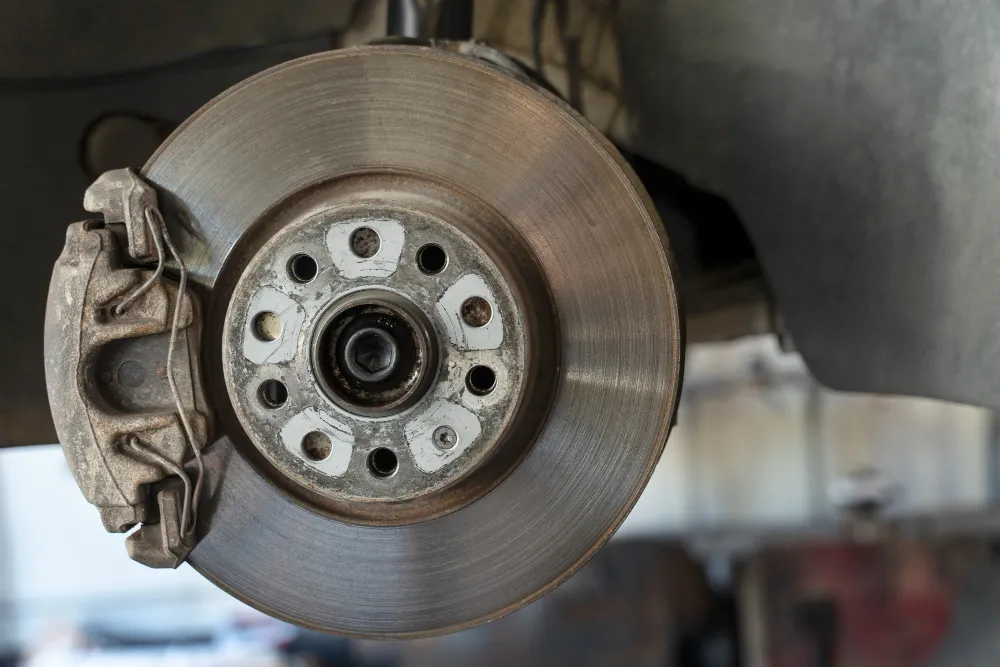
Vehicle readiness is less about polishing the dashboard and more about checking the parts that never get attention until they fail. Tires, brakes, lights, fluids, wipers, battery health, and the spare tire deserve a calm inspection before the trip. The spare matters more than people admit because a flat tire in an unfamiliar place turns confidence into waiting.
Tire pressure deserves special care because it affects grip, fuel use, and control. A car loaded with luggage and passengers behaves differently than it does on an ordinary weekday commute. Underinflated tires can heat up faster on long drives, while worn tread can make rain feel far more dangerous than it should.
Small checks create big relief later. A working flashlight, jumper cables, a tire inflator, basic tools, and a warning triangle do not make the car invincible. They do something better: they give you options when the road stops cooperating.
Match your maintenance check to the distance
A short local drive can forgive small neglect. A long highway run does not. Before a major trip, maintenance should match the distance, weather, and terrain ahead. A car that feels fine around town may reveal weak brakes, tired coolant, or aging belts once it holds speed for hours.
Consider a driver heading from a warm city into cooler hill roads. The same vehicle may face heavy braking on descents, sudden rain, and sharper turns. That changes what “ready” means. Brake response, windshield clarity, and engine temperature matter more than they would on a flat city commute.
A wise driver treats the car as a travel partner with limits. Get the oil checked if the interval is close. Replace weak wipers before clouds gather. Handle the slow leak before it becomes a roadside delay. The road is a poor place to discover what should have been fixed at home.
Pack for Comfort, Safety, and Quick Decisions
Packing is often treated like a space problem, but it is mostly an access problem. The issue is not only what you bring. It is whether you can reach the right thing at the right moment without unloading half the trunk beside a busy road.
Travel safety tips that belong inside the cabin
Travel safety tips work best when they are simple enough to follow under stress. Keep water, basic medicine, tissues, a power bank, charging cables, sunglasses, and a small first-aid kit inside the cabin. The trunk may hold more, but the cabin holds what people need while the drive is still moving.
Documents also deserve a fixed place. License, registration, insurance, emergency contacts, hotel details, and any booking information should not float between bags. A folder, pouch, or phone note can prevent that tense roadside scramble where everyone checks the same backpack three times.
Comfort items count too. A neck pillow, light blanket, gum, hand wipes, and easy snacks can change the mood of a long drive. Hunger and discomfort make people impatient, and impatience turns small navigation issues into arguments. Packing well protects the atmosphere inside the car.
Keep the trunk organized for the worst five minutes
The trunk should be packed for the moment when something goes wrong. Heavy bags should sit low and stable. Emergency gear should stay reachable without removing every suitcase. Rain jackets, a flashlight, and tire tools should never be buried under beach chairs or shopping bags.
Think about the five minutes after an unexpected stop. Someone may need to stand away from traffic. Someone else may need to find the warning triangle. The driver may need tools, gloves, or a phone charger before making a call. A messy trunk turns all of that into noise.
Smart packing creates order without turning the vehicle into a storage puzzle. Put emergency items near the edge. Separate food from tools. Keep valuables out of plain sight. A trip feels calmer when the car is arranged for real life, not for a perfect photo before departure.
Manage the Human Side of the Journey
The hardest part of a road trip is not always the road. It is the people inside the car getting tired, hungry, bored, tense, or too proud to admit they need a break. A practical checklist earns its place when it respects human behavior instead of pretending everyone will stay cheerful for eight hours.
Plan breaks before fatigue starts talking
Breaks should happen before the driver feels worn down. Waiting until someone is stiff, irritated, or sleepy means the trip has already lost its rhythm. A stop every couple of hours can reset attention, stretch the body, and prevent the low-grade tension that builds in silence.
A good break does not need to be long. Ten minutes outside the car can change the next hundred miles. Walk a little, drink water, check messages, and let the driver rest their eyes from traffic movement. The road feels different after the body gets a reset.
This is where many confident drivers make a poor call. They treat breaks as weakness when they are actually control. Fatigue does not ask permission before it slows reaction time, and no destination is worth pretending otherwise.
Give every passenger a small role
Passengers can either support the trip or become background noise. Giving people small roles keeps the journey shared instead of dumping everything on the driver. One person can manage navigation prompts. Another can watch fuel stops. Someone else can handle snacks, music, or hotel timing.
Children can help too, if the role fits their age. They can count rest stops, manage a small activity bag, or remind everyone about water. That small sense of purpose lowers restlessness because they are part of the trip, not cargo with questions.
The driver should not have to think about every detail while steering, judging speed, reading traffic, and staying alert. Shared responsibility makes the car calmer. It also makes the trip feel less like one person carrying the plan while everyone else waits to be entertained.
Keep the Checklist Flexible Enough for Real Roads
A checklist should guide the journey, not trap it. Overplanning can make a trip brittle because every delay starts to feel like failure. Real travel needs a plan with enough structure to protect you and enough space to bend without drama.
Build in backup choices before you need them
Backup choices save time because they remove panic from decision-making. Save an alternate route, mark a second fuel stop, and note one extra food option near your planned break. These small backups matter most when traffic closes an exit or weather pushes you off the original plan.
A family driving toward the coast, for example, may plan lunch at one town but hit a sudden road closure. Without backups, the car fills with frustration while someone searches under pressure. With backups, the adjustment feels normal. The mood survives because the decision was already half-made.
Flexibility is not the opposite of planning. It is the highest form of planning because it admits the road has a vote. A plan that can bend will outlast a perfect plan that breaks at the first surprise.
Use the checklist again during the trip
A checklist should not disappear once the car leaves the driveway. Use it at major stops to reset the journey. Check fuel, water, tire condition, phone battery, passenger comfort, and the next stretch of route. Two minutes of review can prevent the next hour of irritation.
This habit works because travel changes as it unfolds. The morning plan may not fit the afternoon reality. Weather may shift. A passenger may feel sick. The driver may need a longer break. Treating the checklist as a living tool keeps the trip honest.
The goal is not to become rigid. The goal is to notice small problems while they are still small. That is the quiet skill behind smooth road adventures, and it separates a tiring drive from a trip people remember for the right reasons.
Conclusion
Road trips reward people who respect details without becoming controlled by them. The strongest travelers are not the ones with the fanciest gear or the boldest route. They are the ones who notice what usually goes wrong and handle it before the road turns it into a lesson. A checklist gives you that edge. It protects your time, your patience, your passengers, and your ability to enjoy the parts of the journey that cannot be planned. Use smooth road adventures as the standard, not the hope. Before your next drive, build a checklist that covers the route, the car, the people, the supplies, and the backup choices. Then review it once more before departure. The road will still surprise you, but it does not have to catch you unprepared.
Frequently Asked Questions
What should be included in a road trip planning checklist?
A strong checklist should cover route options, fuel stops, vehicle checks, documents, emergency gear, food, water, chargers, rest breaks, and passenger needs. It should also include backup choices for traffic, weather, and delayed stops so the trip can adjust without stress.
How early should I prepare a trip preparation checklist?
Start at least two or three days before departure for a normal drive, and earlier for long-distance travel. Early planning gives you time to fix car issues, buy missing supplies, confirm bookings, and avoid rushed packing on the morning of the trip.
Why is vehicle readiness so important before a long drive?
Long drives place more demand on tires, brakes, fluids, batteries, and cooling systems than daily commutes. A small issue that seems harmless in town can become a serious delay on the highway, especially in heat, rain, hills, or remote areas.
What travel safety tips matter most for family road trips?
Keep emergency contacts, first-aid supplies, water, snacks, chargers, medicine, and important documents within reach. Plan rest stops before anyone becomes exhausted, and make sure children have simple activities so boredom does not turn into constant distraction.
How can road trip planning reduce travel stress?
Planning reduces stress by removing repeated decisions during the drive. When you already know your route, stops, fuel points, and backup options, you spend less time reacting and more time staying calm, alert, and present with your passengers.
What should I check on my car before a road adventure?
Check tire pressure, tread depth, lights, brakes, oil, coolant, wipers, battery condition, and the spare tire. Add emergency tools, a flashlight, jumper cables, and a warning triangle so you can handle common roadside issues with more confidence.
How do I pack smart for a long road journey?
Place emergency gear where it is easy to reach, keep cabin items separate from luggage, and avoid burying useful supplies under heavy bags. Water, chargers, medicine, tissues, snacks, and documents should stay close enough to grab without stopping the whole trip.
How often should drivers stop during long-distance travel?
Most drivers benefit from a short stop every two hours, though weather, traffic, road type, and fatigue may call for earlier breaks. Stopping before exhaustion starts helps protect focus, mood, reaction time, and the overall comfort of the journey.