A dark spot under the back of the engine can turn a normal oil change into an uneasy afternoon. The rear main seal sits where the crankshaft exits the engine, and when it leaks, oil usually shows near the bell housing, not at the front of the motor. That location is why the repair gets expensive fast: the seal is cheap, but access often means transmission work. For U.S. drivers trying to sort a harmless seep from a budget-breaking repair, the first move is calm diagnosis, not panic. A small drip may be tracked, cleaned, and watched. A steady leak that lowers the dipstick needs action before engine oil pressure becomes the next problem. Good ownership comes down to proof, timing, and a fair estimate, which is also why broad automotive repair guidance can help you compare what a shop says against the way the job is done in the real world. The goal is not to fear every oil spot. It is to know which ones deserve money, which ones deserve monitoring, and which ones are warning you that the engine has been neglected for years.
Why a Rear Main Seal Starts Leaking Behind the Engine
Most drivers picture an oil leak as a loose drain plug or a tired valve cover gasket. This one is different. It forms at the rear of the crankshaft, where heat, crankcase pressure, age, and engine movement all meet in a tight space. The strange part is that the seal may fail long before the engine feels weak, so the first clue is often a stain, a smell, or oil appearing where the engine and transmission join. A second strange part is how often the failed seal is blamed alone. Many leaks start because another system made life harder for it.
Heat, age, and crankcase pressure do the quiet damage
Rubber and silicone seals live a hard life. They touch a spinning crankshaft every time the engine runs, and they sit in a hot zone that keeps cycling from cold starts to highway heat. Over years, that flexible lip can harden. Once it loses its soft edge, oil can slip past it in a thin line.
Pressure makes that small weakness worse. A clogged PCV system can raise crankcase pressure and push oil toward the easiest exit point. This is one reason a careful mechanic checks breathers and vacuum lines before calling the job. Replacing the back crank seal without fixing pressure is like mopping a floor while the sink still runs.
Oil habits matter too. Long change intervals can leave sludge near drain-back paths, and overfilling the crankcase can whip oil into foam. Neither condition has to destroy the seal overnight. The damage is slower than that. It builds through heat, pressure, and friction until one day the leak becomes visible.
Here is the non-obvious part: low mileage does not always protect the seal. A weekend truck that sits outside in Minnesota, then pulls a boat twice a month, may age its rubber through time, temperature swings, and load. Meanwhile, a commuter Toyota with higher miles but steady oil service may stay dry for years.
Installation flaws and worn surfaces can make a new seal fail
Some leaks are born during past repairs. If the seal was tapped in crooked, nicked during installation, or pressed too deep, it may leak soon after the vehicle goes back on the road. That is why a repeat leak after clutch, flexplate, or transmission work deserves a second look at workmanship, not a lazy shrug about old parts.
The crankshaft surface also matters. The seal rides on a narrow path. If that path has a groove from years of rotation, the new lip may sit in the same worn track and seep again. Some engines need a repair sleeve or a seal set at a slightly different depth. Cheap parts are not the only risk. A rushed setup can waste the whole labor bill.
Design plays a role as well. Older two-piece seal designs can be less forgiving than many later one-piece setups because the joint and cap area create extra places for mistakes. That does not make older engines bad. It means the technician needs patience, clean surfaces, and the right sealant in the right spot.
Think about a high-mileage Chevy Silverado used for towing around Texas. Heat, long idle time, and load can harden seals faster than gentle suburban driving. If the PCV valve sticks and the truck keeps hauling, oil may begin collecting near the inspection cover. The fix is not one part. It is the cause, the surface, and the install method working together.
The Signs That Separate a Small Drip From an Expensive Repair
Once you know where the leak starts, the next question is whether it is serious. That answer comes from pattern, volume, and location. Many drivers get misled here because airflow blows oil backward, making a front leak look like a rear leak. Clean metal tells a better story than a wet undercarriage. So does timing. A leak that shows only after a long highway run is behaving differently from one that drips all night after a short grocery trip.
Where the oil shows up tells you more than the stain size
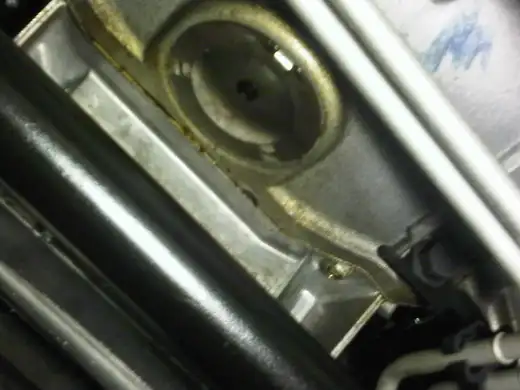
The classic clue is oil at the lower edge of the bell housing, where the engine bolts to the transmission. It may drip from a small opening, run down a dust shield, or leave a line along the bottom of the engine. If the oil is amber to dark brown and the engine dipstick drops over time, you are likely dealing with an engine oil leak, not a transmission fluid leak.
Still, diagnosis should not stop at a glance. Valve cover gaskets, oil pan gaskets, oil pressure sensors, oil filter housings, and turbo oil lines can all send oil toward the same area. A shop may clean the engine, add dye, then run the vehicle before checking with a UV light. That step can save you from paying for the wrong repair.
A small driveway spot can also fool you. One teaspoon of oil spreads wide on concrete, while a leak that only opens at highway speed may leave almost nothing overnight. The smarter check is the dipstick trend over several days. If the level drops between fuel stops, the problem has moved beyond cosmetic mess.
Pay attention to where the wettest point begins. Oil that starts high and runs down is rarely from the back crank area. Oil that appears only at the lowest point of the bell housing after cleaning points more strongly in that direction. A clean inspection after a short test drive often beats a dramatic guess made under an oily vehicle.
Smell, clutch issues, and low oil warnings change the urgency
Burning oil smell after a drive raises the stakes. Oil can hit hot exhaust parts, smoke near the underbody, or create a sharp odor at stoplights. A manual-transmission car brings another concern: oil can contaminate the clutch disc if it reaches the bell housing. Once that happens, you may feel shudder, slip, or chatter when pulling away.
Automatic vehicles have their own clue. A leak from the engine side may be mistaken for a front transmission pump seal leak. The fluids feel and smell different, but grime hides the difference. Engine oil usually feels slick and dark. Automatic transmission fluid often has a red or brown tint and a sharper odor, though old fluid can blur the line.
Do not ignore an oil light. That warning is not a polite service reminder. It can mean the engine has already lost safe pressure. Pull over, shut the engine down, and check the level. A tow bill is easier to accept than a seized engine, especially on a financed car where the loan outlives the motor.
The most overlooked sign is how often you are topping off. Adding a half quart every few thousand miles is one conversation. Adding a quart every week is another. That pattern tells you whether you are managing a seep or feeding a leak that is already shaping the future of the engine.
What Shops Charge and Why the Bill Feels So High
The repair bill feels unfair because the failed part may cost less than a family dinner. The job is expensive because the part is trapped between major assemblies. Current public repair guides commonly place professional replacement around $600 to $1,500 or more, with some vehicle layouts and shop rates pushing closer to $2,000; parts are often a small slice, while access drives the total. That range also explains why phone quotes can be slippery. The same job name can hide different drivetrains, rust levels, exhaust layouts, and shop labor rates.
The seal is cheap; the labor path is not
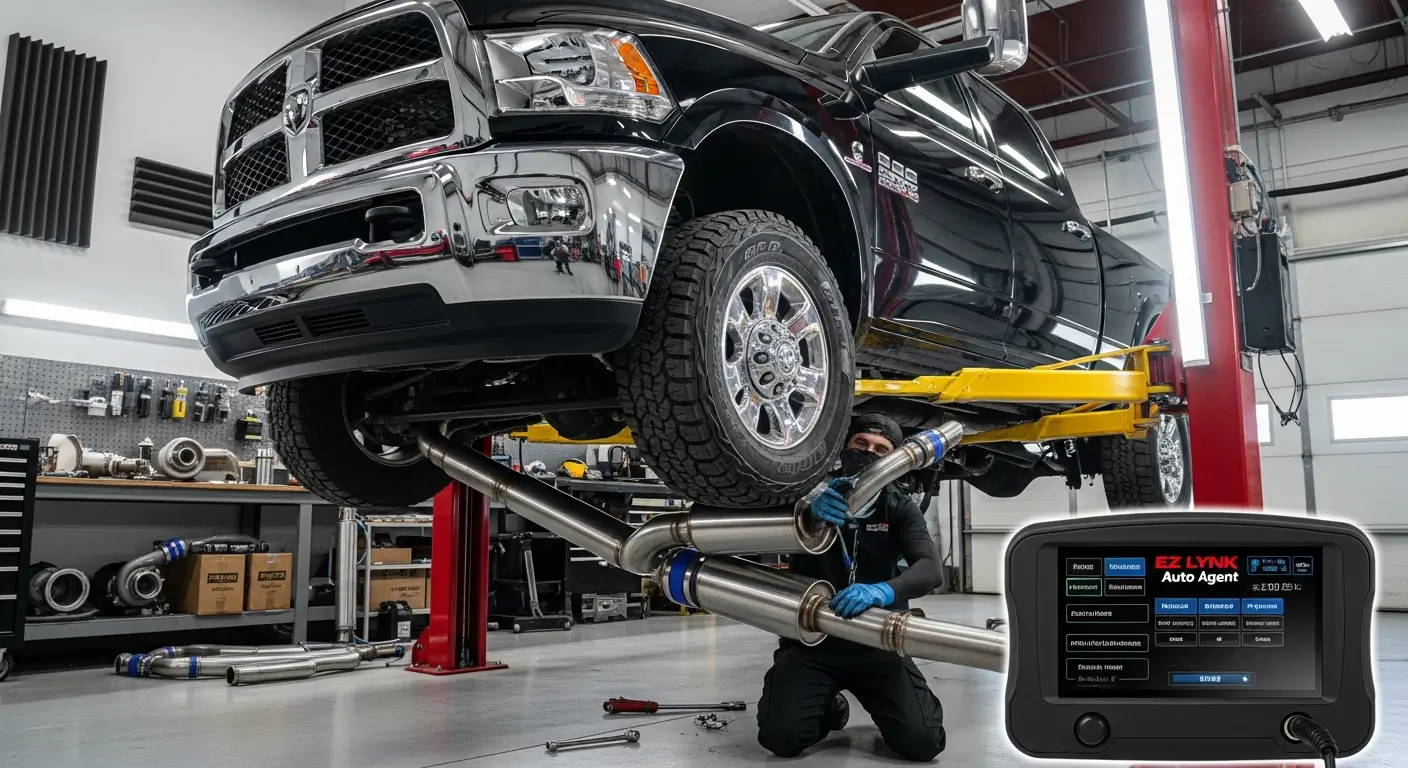
On many rear-wheel-drive cars and trucks, the transmission must come out. The flywheel or flexplate may follow. Crossmembers, exhaust sections, starter parts, driveshafts, transfer cases, and wiring brackets can all join the party. That is why transmission removal appears on many estimates even though the engine is the source of the leak.
Labor rates vary across the U.S. A small independent shop in rural Missouri may quote far less than a dealer in Los Angeles or Northern Virginia. Four-wheel-drive trucks often cost more because transfer case and driveline work adds time. Compact front-wheel-drive cars can also sting if the layout gives poor access.
This is where oil leak repair cost becomes less about the rubber ring and more about geography, drivetrain layout, and risk. A fair quote should list labor hours, seal brand, related gaskets, fluids, and any one-time-use bolts. If the estimate is one vague line, ask for detail. Good shops are not offended by clear questions.
Ask whether the estimate includes fresh rear cover gaskets, thread sealant, oil pan corner sealing, or only the seal itself. Some engines need extra sealing work in the same area to prevent a comeback. The cheapest quote may skip that detail, then blame “old age” when oil returns.
Bundling related work can save money, but only when it makes sense
Because access is the expensive part, some repairs are smart to combine. On a manual car, a worn clutch, pilot bearing, or flywheel issue may be handled during the same visit. On an older truck, a leaking oil pan corner or tired transmission mount might be easier to address while parts are already out.
But bundling can become a sales trap. You do not need every nearby part changed because a mechanic can see it. Ask what is worn, what is leaking, what has to be removed anyway, and what can wait. A photo from the shop helps. So does the old part on the counter.
For a 2011 Ford F-150 with four-wheel drive, a $1,400 quote may be fair if the transfer case and exhaust hardware fight the technician. For a clean rear-wheel-drive sedan with easy access, that same number may deserve a second estimate. The point is not to chase the lowest price. It is to understand the job path before approving it.
Warranty matters here. A shop that gives a clear warranty on both parts and labor may be worth more than a low cash price with no paper trail. Since transmission removal is a major part of the bill, you want protection if a new leak appears in the same area after the repair.
How to Decide Whether to Fix It Now, Watch It, or Walk Away
By now, you have a suspected source and a rough price range. The decision is not only mechanical. It is financial. A $1,200 repair on a well-kept car you plan to keep for five years feels different from the same repair on a rusty $2,000 beater with failing suspension and a check engine light. The fairest decision weighs oil loss, vehicle value, planned ownership, and the risk of delay.
A slow seep can be monitored, but only with rules
Some leaks can be watched for a short period. The rules are simple: check oil level weekly, keep the underside clean enough to see changes, park on cardboard when possible, and note whether the spot grows after highway driving. This works best when the leak is slow and the vehicle is not losing measurable oil between changes.
Stop-leak products sit in a gray area. They may soften aged rubber and slow a minor seep, but they are not a repair for a torn lip, damaged crank surface, or pressure problem. They also should not become an excuse to ignore falling oil level. A bottle may buy time. It does not erase cause.
Set a limit before you start watching. For example, if the oil level drops below the safe mark between weekly checks, or the stain doubles after one long trip, the monitoring phase is over. Rules keep “I am watching it” from turning into “I kept driving until it failed.”
A real example: a 180,000-mile Honda Accord with one dime-sized spot every few nights may be safe to monitor while saving for a proper repair. A work van that leaves a palm-sized spot each morning and runs delivery routes in Phoenix heat should not wait. Use matters. Heat matters. Distance matters.
Inspection before purchase can protect you from a hidden bill
Used car shoppers need to treat oil at the bell housing as a bargaining point. Ask for a pre-purchase inspection on a lift, not a quick look in a parking lot. A seller may say “it only needs a seal,” but that phrase can hide a transmission removal bill. Check service records, oil level, and whether the underside was cleaned before the sale.
The back of an engine can also expose bigger ownership habits. Heavy sludge, mismatched bolts, fresh undercoating, or silicone smeared around gasket edges may suggest poor repair history. One leak may be manageable. A pattern of shortcuts is a different kind of warning.
Oil leak repair cost should also shape your offer. If a private seller wants top-of-market money for a pickup with oil at the bell housing, subtract a real shop estimate, not a hopeful parts-store price. A buyer who treats every leak as a $30 gasket is the buyer who gets surprised after the sale.
Before approving a large repair, check whether the vehicle has open safety recalls through the National Highway Traffic Safety Administration, especially if an oil leak relates to a known fire or engine issue. NHTSA’s recall tool lets U.S. owners search by VIN, and it is worth doing before spending your own money on a defect that may be covered. Pair that check with engine oil leak warning signs and a used car inspection checklist so you are not making a high-dollar call from one stain on the driveway.
Conclusion
A back-of-engine oil leak is frustrating because it hides the cheap part behind expensive access. That does not mean every wet bell housing deserves instant repair, and it also does not mean you can ignore oil loss until the warning light appears. The better path is steady: confirm the source, measure how fast oil is leaving, ask why the seal failed, and compare the repair to the vehicle’s value. A leaking rear main seal becomes a wise repair when the car is otherwise solid, the diagnosis is proven, and the estimate explains the labor path. It becomes a bad bet when the vehicle has deeper neglect, the leak is guessed at, or the shop cannot show where the oil starts. Spend slowly, but decide firmly. Your engine does not care how small the first stain looked.
Frequently Asked Questions
How much does it cost to replace a back crankshaft seal in the U.S.?
Most professional repairs fall somewhere around $600 to $1,500, with higher quotes on trucks, luxury models, and four-wheel-drive vehicles. The part is often inexpensive. Labor dominates because major parts may need to come out before the seal can be reached.
Can I keep driving with oil leaking from the rear of the engine?
You can drive for a short time if the leak is minor and the oil level stays full. Check the dipstick often. Stop driving if the oil light comes on, the leak grows fast, or smoke appears near hot exhaust parts.
What causes oil to leak between the engine and transmission?
Common causes include hardened seal material, excess crankcase pressure, poor past installation, worn crankshaft surfaces, and long heat exposure. Other leaks can mimic the same pattern, so a clean inspection matters before paying for the repair.
Is a stop-leak additive safe for this kind of problem?
It may slow a small seep from aged rubber, but it will not fix torn material, crankshaft wear, or pressure forcing oil out. Treat it as a temporary measure, not a substitute for diagnosis or repair on a vehicle losing oil.
Why does the shop need to remove the transmission?
The seal sits at the back of the crankshaft, between the engine and the drivetrain. On many vehicles, the technician cannot reach it from outside. That means the gearbox, flywheel or flexplate, and nearby parts may need removal.
Can a leaking back crank seal damage the clutch?
Yes. On manual-transmission vehicles, engine oil can reach the clutch area and cause slipping, chatter, or shudder during takeoff. If that happens, clutch parts may need replacement along with the seal, raising the total bill.
How do mechanics confirm the leak source?
They usually clean the area, inspect from underneath, check the oil level, and may add UV dye to the engine oil. This helps separate a true back-of-engine leak from valve cover, oil pan, sensor, or filter housing leaks.
Is this repair worth doing on an older vehicle?
It depends on the car’s condition and your plans. Repair makes sense when the engine, transmission, frame, and suspension are sound. It may not pay off if the vehicle has rust, major warning lights, or other expensive repairs waiting.