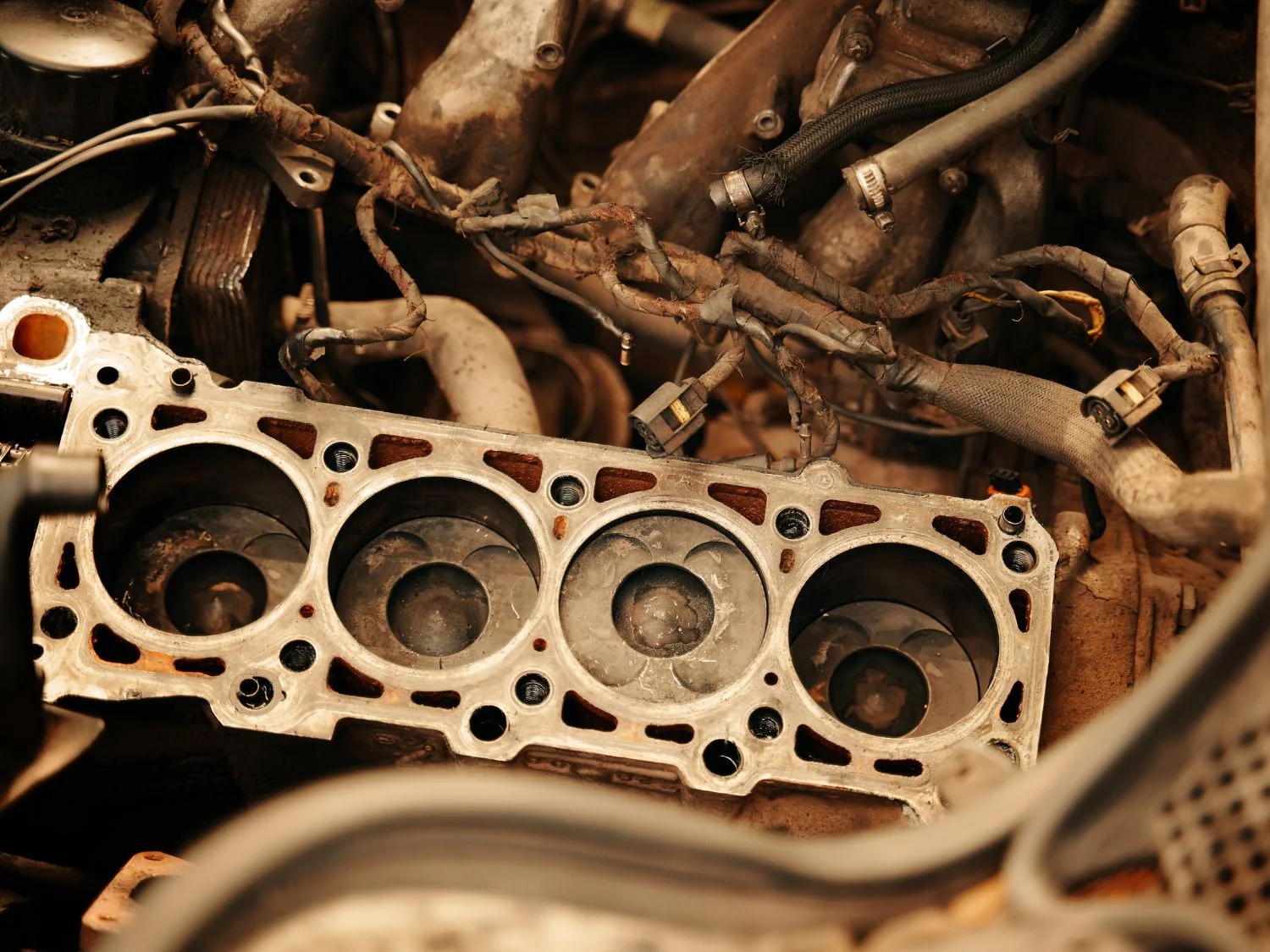
A head gasket usually fails in whispers before it fails in a way that ruins the whole engine. That is why Blown Head Gasket Symptoms need your attention the first time they show up, not after the temperature gauge has lived in the red for a week. For many U.S. drivers, the first clue is not a loud bang or a dashboard warning. It is a slow coolant drop, a strange sweet smell after parking, rough starts on cold mornings, or a plume from the tailpipe that does not match the weather. A failed gasket lets pressure, coolant, oil, and combustion gases cross paths that should stay sealed. Once that starts, heat builds fast, oil loses its job, and metal parts can warp. If you are already comparing repairs, towing options, or plain-English auto repair guidance, treat the signs like evidence. Do not wait for the car to “act worse.” Engines often give their last affordable warning while they still run.
Blown Head Gasket Symptoms Drivers Notice Before Trouble Peaks
The first stage is confusing because the vehicle may still start, idle, and drive. That is what tricks people. A bad alternator, a weak thermostat, a leaking hose, and a failing gasket can all cause overlapping trouble. The difference is pattern. One odd event may mean little. A cluster of heat, coolant, smoke, and pressure changes means the engine is asking for a diagnosis before repair costs climb.
Why engine overheating may appear before the leak looks dramatic
Engine overheating is often the sign that pulls a driver into the problem, but it may not begin as a wild temperature spike. It can start as a needle that rises higher than normal in traffic, then settles on the highway. That pattern matters. At low speed, the cooling system has less airflow, so any weakness shows up faster.
A head gasket leak can add combustion pressure into the cooling system. That pressure does not belong there. It can push coolant out of the overflow tank, create air pockets, and leave the water pump moving foam instead of liquid. The non-obvious part is that the coolant level may look fine during one check and low the next day, even with no puddle under the car.
Picture a parent in Phoenix sitting in school pickup traffic with the A/C on. The gauge creeps up, the fan roars, and the driver turns the heater on to survive the trip home. That may feel like a cooling fan problem. It could be. But if the overflow bottle keeps rising and falling with no clear leak, the gasket deserves a test.
Heat also distorts the story. Once an engine runs hot, it can damage hoses, caps, plastic tanks, and seals. Then the original cause gets buried under new failures. This is why overheating warning signs should never be treated as background noise.
White exhaust smoke and sweet smells tell a different story
White exhaust smoke that hangs in the air after warm-up can point toward coolant entering a cylinder. Cold-weather steam disappears as the exhaust warms. Coolant smoke keeps coming, and it often carries a sweet smell. That smell comes from the coolant, not from gasoline or normal condensation.
The tricky part is timing. A small gasket leak may smoke only after the car sits overnight. Coolant seeps into a cylinder while the engine cools, then burns during the first few seconds after startup. By lunch, the car may look normal. That does not make the sign harmless.
Consumer Reports gives a useful reminder in its tailpipe smoke guidance: heavy smoke tied to coolant burning can signal major engine trouble. That warning fits daily drivers as much as old beaters. A 2014 sedan with 160,000 miles and a paid-off title still deserves a clean diagnosis before the owner pours money into random parts.
White exhaust smoke is not proof by itself. A cracked cylinder head can create a similar result. So can a damaged block in rare cases. The smoke tells you the engine is burning something it should not burn. The test tells you where it came from.
What Fluid Clues Say About Internal Damage
Fluids tell the truth when the dashboard stays quiet. Oil, coolant, and exhaust residue each show a different side of the failure. The mistake is checking only one of them. A driver may see clean oil and assume the gasket is fine, while combustion gases are already entering the cooling system. Another driver may see low coolant and blame the radiator cap, while the engine slowly drinks coolant during every commute.
Coolant loss without a puddle deserves more respect
Coolant loss with no visible leak is one of the most overlooked clues. Drivers know what a leaking radiator looks like. They expect a green, orange, or pink puddle on the driveway. A head gasket leak does not always leave that kind of calling card. The coolant can enter a cylinder, turn into vapor, and leave through the exhaust.
This is where daily habit helps. Check coolant only when the engine is cold, and note the level in the overflow tank. Do not open a hot radiator cap. If the level falls every few days and the ground stays dry, stop topping it off as if the car is thirsty. It is losing fluid for a reason.
A useful example: a commuter in Ohio adds coolant every Monday but sees no leak marks at work or home. The heater also blows cool air during idle, then warms up on the highway. That combination can happen when air pockets form in the cooling system. A small gasket breach can feed those pockets.
Coolant loss also creates a false sense of control. You can add fluid and make the gauge behave for a while. That does not solve the pressure problem. It buys time while the engine keeps taking heat cycles that may warp the cylinder head.
Milky oil is late, not early, in many failures
Milky oil under the cap gets attention because it looks ugly. It often gets described as chocolate shake or tan foam. When coolant mixes with oil, bearings and moving parts lose the film that protects them. That is a bad day. But here is the part many people miss: clean oil does not clear the gasket.
A head gasket can fail between a coolant passage and a combustion chamber without sending coolant into the oil pan. In that case, the dipstick may look normal while the engine loses coolant and overheats. This is why a shop should not stop the inspection after one clean dipstick pull.
Short-trip driving can also confuse the inspection. Some light moisture under the oil cap can happen when an engine never gets warm enough to burn off condensation. That is common in colder states during winter errands. The difference is scale, smell, coolant level, and heat behavior.
If the oil level rises, the oil looks creamy on the dipstick, or the engine begins to knock, the risk has moved from gasket repair toward engine survival. At that point, driving to “see what happens” can turn a fixable failure into a used-engine search.
Testing the Problem Before You Spend Engine-Rebuild Money
Guessing is expensive here. A head gasket job involves labor, machine-shop checks, fluids, bolts, and often extra parts found along the way. Some vehicles are worth that repair. Some are not. The right test gives you a fair choice instead of a fear-based quote. It also protects you from replacing a thermostat, radiator, fan, and water pump before anyone proves the gasket is still sealed.
A block test turns guesswork into evidence
A block test, also called a combustion leak test, checks for exhaust gases in the cooling system. A technician uses test fluid that changes color when those gases show up. It is not magic. It is a way to see whether cylinder pressure is entering the coolant.
This test matters because it can catch a failure that leaves no oil milkshake and no driveway puddle. It also helps separate a head gasket issue from a normal external cooling leak. If the car overheats and pushes coolant out after the test shows combustion gas, the story gets much clearer.
A small shop in Texas may run this test before quoting a repair on a high-mileage pickup. That is good practice. The customer might think the radiator cap failed because coolant sprayed near the overflow. The test may show that the cap was reacting to pressure from inside the engine.
A block test can miss some intermittent leaks, though. If the engine only acts up under highway load, the shop may need to warm it fully, drive it, then retest. Good diagnosis follows the symptom pattern. It does not rush to the biggest invoice.
Compression and leak-down tests show where pressure escapes
Compression testing checks how well each cylinder holds pressure during cranking. A weak cylinder next to another weak cylinder can suggest a gasket leak between cylinders. A leak-down test goes deeper by feeding air into a cylinder and listening for where it escapes.
Air bubbles in the radiator during a leak-down test can point to a path between the cylinder and cooling system. Air heard at the exhaust, intake, or oil filler points elsewhere. That distinction matters. You do not want to pay for the wrong repair because one symptom looked familiar.
This is also where model history helps but should not take over. Some engines have known gasket patterns. Some have common intake leaks that mimic gasket trouble. A careful technician tests the car in front of them. Forum stories can guide questions, but they should not replace evidence.
Ask for the test results in plain language. Which cylinder failed? Did gases show in the coolant? Was there oil contamination? Did the cooling system hold pressure? Clear answers help you decide whether to repair, sell, or stop driving before the car writes the ending for you.
What to Do the Moment the Signs Start
Once the pattern points toward gasket failure, the decision is less about bravery and more about damage control. The car may still move, but that does not mean it should. A short drive with stable temperature is one thing. A hot drive with disappearing coolant is another. The gap between those choices can be the price of an engine.
When to stop driving instead of limping home
Stop driving if the temperature gauge climbs into the danger zone, steam appears, the warning light comes on, or the engine starts misfiring after coolant loss. Pull over safely, shut the engine off, and let it cool. Do not pour cold water into a hot engine. Rapid temperature change can make metal stress worse.
Many drivers try to limp home because the car “still feels okay.” That is the trap. Aluminum cylinder heads can warp before the engine feels destroyed from the seat. The oil may also thin out if coolant enters it, which means every extra mile grinds away at parts that need clean lubrication.
A driver in Georgia towing a small trailer may see the gauge climb only on hills. Back on flat road, it drops. That still counts. Load exposes weakness. If the vehicle is already showing coolant loss or exhaust smoke, hills and highway speed can turn a small breach into a larger one.
Use towing as a repair tool, not a surrender. Paying for a tow often feels painful until compared with a damaged cylinder head, failed bearings, or a replacement engine. The cheapest mile may be the one your car does not drive.
How repair choices change with vehicle age and value
Head gasket repair is not one decision. It is a value decision, a trust decision, and sometimes an emotional decision. A well-kept SUV with a clean body and newer tires may deserve the work. A rusted sedan with slipping transmission signs may not. The gasket is only one part of the vehicle’s future.
A proper repair should include checking the cylinder head for warping or cracks. New gasket material alone will not save a head that no longer sits flat. Many modern engines also need new head bolts because they stretch during installation. Skipping those details can make the repair fail again.
Sealant products tempt people because they promise a cheaper path. They may help in narrow cases, often as a short-term attempt on a vehicle that is not worth major repair. They can also clog small passages or hide symptoms long enough for damage to grow. Treat them as a last-choice gamble, not a professional fix.
Before approving work, compare the repair estimate with the vehicle’s condition. Ask about warranty, machine-shop checks, timing components disturbed during repair, and whether the cooling system will be flushed. A good shop will explain the plan without making you feel foolish for asking.
Conclusion
A head gasket failure is not one sign. It is a pattern of heat, pressure, fluid loss, smoke, and rough running that gets harder to ignore the longer you drive. The smart move is to catch that pattern while the engine can still be saved. The point of learning Blown Head Gasket Symptoms is not to become your own mechanic. It is to know when a normal car problem has crossed into a damage-risk problem. If coolant keeps vanishing, the gauge keeps climbing, or the exhaust tells a story the weather cannot explain, stop guessing. Get a block test, pressure test, compression test, or leak-down test from a shop that will show its work. One careful diagnosis can protect you from both panic repairs and engine failure. Treat the first warning as the cheap warning. After that, the engine may start charging interest.
Frequently Asked Questions
How long can I drive with a suspected head gasket leak?
Driving time depends on the leak, but the safer answer is as little as possible. If the temperature rises, coolant drops, smoke appears, or the engine misfires, stop driving and arrange a tow. A short trip can still cause damage if overheating starts.
Is white smoke always a sign of head gasket failure?
No. Light vapor on a cold morning can be normal condensation. Smoke that continues after warm-up, smells sweet, or appears with coolant loss needs testing. A cracked head or engine block can also cause similar smoke, so diagnosis matters.
Can a bad thermostat mimic a head gasket problem?
Yes, a stuck thermostat can cause overheating and poor coolant flow. The difference is that a thermostat problem usually does not add combustion gases to the coolant, create coolant smoke from the exhaust, or contaminate oil. Testing separates the two.
What does coolant in engine oil look like?
It often looks tan, creamy, or foamy on the dipstick or under the oil cap. The oil level may also rise. Some light cap moisture can come from short trips, so compare it with coolant loss, overheating, and how the engine runs.
Can a head gasket fail without overheating?
Yes. Some leaks start with rough cold starts, coolant loss, bubbles in the radiator, or exhaust smoke before the gauge climbs. Overheating may appear later after air pockets form or coolant level drops low enough to weaken cooling.
Are head gasket sealers safe to use?
They are a gamble. Some may slow a minor leak for a while, mainly on older vehicles that are not worth major repair. They can also clog passages or delay a needed fix. Use them only after understanding the risk.
What test confirms a head gasket issue best?
A block test can detect combustion gases in the cooling system. Compression and leak-down tests can show which cylinder is losing pressure and where it escapes. Shops often use more than one test because gasket failures do not all behave the same way.
Is it worth fixing a failed head gasket on an older car?
It depends on the car’s value, rust, mileage, transmission health, and repair quality. A clean, well-maintained vehicle may justify the work. A car with several major problems may not. Ask for a full estimate before deciding.