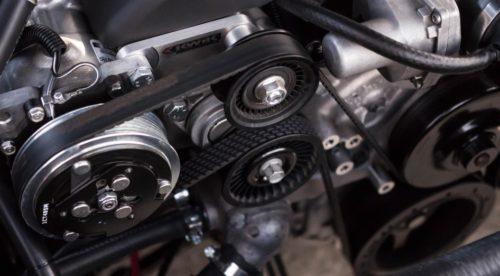
A low oil level in a modern SUV feels wrong because nothing about the drive may seem dramatic at first. Chevrolet Equinox engine oil consumption usually shows up quietly: a quart added between services, a faint hot-oil smell after parking, a rough start on a cold morning, or a dipstick that keeps landing lower than expected. For American owners using an Equinox for school runs, winter commutes, rideshare shifts, or long interstate drives, that slow oil loss can turn into timing wear, turbo stress, misfires, and repair bills that feel out of proportion to the first warning sign. The point is not to panic. It is to stop treating the oil life monitor as the only truth. A driver researching vehicle repair guidance for American owners should understand why small turbo engines can use oil, how to confirm the pattern, and when a shop needs to look deeper than a fast oil change. Excessive oil use is not always a death sentence for the engine, but ignoring it gives a small problem room to become expensive.
Why Engine Oil Consumption Shows Up in Turbo Equinox Models
The turbocharged Equinox asks a small engine to do a big job. That is the bargain behind many modern crossovers. You get decent fuel economy, useful torque, and a lighter front end, but the engine runs under heat and pressure that older, larger engines did not face in the same way. Oil has to cool, seal, clean, and protect at the same time.
Small Turbo Engines Work Harder Than They Look
A turbocharger does not create free power. It pushes more air into the engine, and the fuel system adds more fuel to match it. The result is stronger pull from a smaller displacement engine, which is why the Equinox can feel easy around town even with a compact four-cylinder under the hood.
The hidden cost is heat. Turbo bearings depend on clean oil, and the piston rings must manage pressure during every boost event. Short trips make this harder because the oil may not stay hot long enough to burn off moisture and fuel dilution. A Boston owner doing five-mile winter errands may be harder on the engine than a Texas driver cruising 30 highway miles each way.
Here is the non-obvious part: gentle driving is not always gentle on oil. Repeated cold starts, long idling, and low-speed stop-and-go driving can stress oil more than steady highway use. The SUV may never feel abused, yet the oil can age fast and drop between services.
Why Equinox Turbo Engine Problems Can Hide Behind Normal Service
Many Equinox turbo engine problems begin as patterns, not failures. A driver adds half a quart, forgets about it, and makes it to the next oil change. The shop changes the oil, resets the monitor, and nobody writes down how low the level was before service. That missing note matters.
The oil life monitor tracks service timing based on use, but it does not measure the oil level in the pan like a careful owner with a dipstick. That difference traps a lot of people. A vehicle can show remaining oil life while running lower than it should.
This is why an owner should separate oil condition from oil quantity. Clean-looking oil can still be too low. Dirty oil can still be full. The problem you are chasing is not only whether the oil needs changing, but whether the engine is losing enough between changes to hint at worn rings, PCV trouble, turbo seal issues, or another fault.
How Owners Notice Oil Loss Before Damage Starts
Once you know what to look for, the clues become easier to read. The Equinox will not always smoke like an old pickup. It may not leave stains under the driveway. In many cases, the first proof is boring: the level drops, then drops again, and nobody can explain where the oil went.
What Chevrolet Equinox Oil Burning Feels Like in Real Driving
Chevrolet Equinox oil burning can feel like a small change in manners. The engine may crank a little longer after sitting overnight. It may idle with a faint stumble before smoothing out. You may smell something hot after parking in the garage, even when the ground under the SUV stays clean.
A driver in Phoenix might notice the issue after long summer freeway runs with the air conditioner working hard. A driver in Michigan might catch it during cold months, when short trips stack up and moisture in the intake system becomes part of the story. Same symptom, different setting.
Blue smoke is the famous clue, but many owners never see it. A catalytic converter can hide some of the evidence until the problem grows. That is why waiting for smoke is a poor plan. The dipstick is less dramatic, and far more useful.
Why the Dipstick Tells the Truth Before the Dashboard
A low-pressure warning light is not an early warning system. It is closer to a last call. By the time oil pressure drops enough to trigger a warning, the engine may already be running with less cushion than it needs.
Make the check boring and repeatable. Park on level ground, wait a few minutes after shutdown, pull the dipstick, wipe it, reinsert it, and read it again. Take a phone photo with the mileage visible on the dash. Do this every 500 miles for a while if you suspect excessive oil use.
The pattern matters more than one reading. A quart low after 4,000 miles tells a different story than a quart low after 900 miles. Shops respond better to dates, mileage, and receipts than to “it feels like it burns oil.” Your notes turn a complaint into evidence.
What Mechanics Should Check Before Blaming the Whole Engine
A weak diagnosis can cost more than the failure itself. Some shops jump from “low oil” to “bad engine” too fast. Others keep selling oil changes while the same owner returns with the same complaint. The right answer sits in the middle: test the systems that move, vent, burn, or leak oil before deciding how serious the damage is.
PCV, Turbo Seals, and Intake Deposits
The positive crankcase ventilation system controls pressure inside the engine. When it does not behave, oil vapor can travel where it should not. That can feed deposits, affect idle quality, and make oil loss look mysterious because little or nothing drips onto the pavement.
The turbo also deserves attention. Oil feeds the turbocharger, and worn sealing areas can send oil into the intake or exhaust path. A mechanic should inspect charge pipes, intercooler areas, intake tract residue, and related sensors instead of guessing from the driver seat.
There is another wrinkle on some turbo Equinox models in cold climates: moisture and oily condensate can collect in the air path. When cold weather turns that mixture into restriction or contamination, drivability codes may appear. That does not prove the engine is worn out, but it does show how oil vapor, air management, and turbo behavior can overlap.
When Piston Rings and Cylinder Wear Become the Suspects
Piston rings seal combustion pressure and scrape oil from cylinder walls. If they stick, wear, or fail to seal well, oil can reach the combustion chamber and burn. That is the point where oil loss starts to feel less like maintenance and more like an engine health issue.
A shop should not guess here. Compression testing, leak-down testing, spark plug inspection, borescope checks, and oil-consumption tracking can reveal more than a quick scan-tool reading. Trouble codes help, but they rarely tell the whole story.
The hard truth is that some owners arrive too late. They drove for months while topping off oil without asking where it went. By then, the catalytic converter may have taken abuse, the plugs may show deposits, and the timing system may have lived with low lubrication. Early testing feels annoying. Late testing feels expensive.
How to Reduce Risk and Build a Smarter Repair Plan
Prevention is less about one magic product and more about habits that match the engine. Additives promise comfort because they sound simple. The better answer is less exciting: use the right oil, shorten the check interval, keep records, and push for proper diagnosis when the numbers do not make sense.
Oil Change Habits That Fit American Driving
Follow the owner’s manual for oil type and approval, not a random forum comment or a bottle someone used in a different model year. Turbo engines care about oil quality. Cheap oil, wrong viscosity, and long service intervals can make a marginal issue worse.
For many U.S. drivers, “normal service” does not describe real life. School drop-offs, remote-start idling, food delivery, construction traffic, freezing mornings, desert heat, and short errands all count as harder use. A 7,500-mile interval may look fine on paper, while a 5,000-mile rhythm fits the way the SUV works.
Use a simple plan:
- Check the oil every other fuel fill-up for one month.
- Record mileage whenever oil gets added.
- Keep every receipt for oil, filters, and inspections.
- Ask the shop to note the level before draining oil.
- Compare the pattern across two service cycles.
That plan will not fix worn parts, but it will keep you from arguing from memory. It also helps when you are deciding whether to keep, repair, sell, or buy a used Equinox.
Documentation, Warranty Pressure, and Buying Used
If the vehicle still has powertrain coverage, documentation changes the conversation. A dealer or warranty provider may want proof of maintenance, measured oil loss, and repeat visits before approving deeper work. Walking in with organized notes beats walking in angry.
Owners outside warranty still need the paper trail. If you later sell the SUV, records help you speak honestly. If you buy one, records help you avoid someone else’s neglected problem. A used Equinox with clean service history and stable oil level is a different risk than one with vague “fresh oil change” claims and no older receipts.
For shoppers, Chevrolet Equinox oil burning should be treated as a record issue, not a rumor. Check the dipstick before the test drive and again after. Look for oil residue around intake plumbing. Ask how often the owner adds oil. Pair this with a broader used SUV inspection checklist and a guide to common turbo engine warning signs before money changes hands.
If you believe the issue creates a safety concern, document it and use the official NHTSA safety complaint page. That does not replace a repair visit, but it puts the problem in the right public channel.
Conclusion
The Equinox is not a vehicle you should judge from internet fear alone. Many owners drive them for years with routine care, and many oil-level scares trace back to service gaps, hard driving patterns, or parts that can be diagnosed before the engine is condemned. The smart move is to stop guessing.
For owners trying to avoid a large repair bill, engine oil consumption should be treated as a pattern to track, not a mystery to explain after damage has already started. Watch the level, write down the mileage, use the correct oil, and ask for tests that separate PCV trouble, turbo oiling issues, leaks, and internal wear.
A small turbo SUV rewards owners who pay attention early. It punishes the ones who wait for a dashboard light to tell the story. Check the dipstick this week, save the reading, and make the next repair conversation about facts instead of fear.
Frequently Asked Questions
How do I know if my Chevrolet Equinox is burning oil?
Track the dipstick level over several hundred miles. If the level drops without a visible leak, the engine may be burning oil internally. Other clues include a hot-oil smell, rough starts, fouled spark plugs, or blue smoke during startup or acceleration.
Is the Chevy Equinox 1.5 turbo known for oil problems?
Some owners report oil loss, rough running, turbo-related concerns, or repeat top-offs between services. That does not mean every 1.5 turbo will fail. The best approach is to check the oil often, keep records, and diagnose the cause before assuming internal damage.
How much oil loss is normal between changes?
A small amount can happen in many engines, especially with age, heat, and highway driving. A quart in a short distance deserves attention. Use mileage records instead of guessing, then ask a shop whether the rate matches GM guidance for your exact model year.
Can low oil damage the turbocharger?
Yes. The turbo depends on clean oil for lubrication and cooling. Low oil can increase heat, bearing wear, and shaft play. If oil loss continues, the turbo may suffer even before the rest of the engine shows obvious symptoms.
Should I change my Equinox oil sooner than the monitor says?
Many owners should consider it, especially with short trips, cold starts, idling, delivery driving, or extreme temperatures. The monitor helps with timing, but it does not replace dipstick checks. Fresh oil cannot help if the level has already dropped too far.
What should a mechanic inspect for oil loss?
A proper inspection should include external leaks, PCV function, turbo oil lines, intake piping, spark plugs, compression, and leak-down results when needed. The goal is to separate simple repair causes from internal wear before money goes toward major work.
Is it safe to keep driving if my Equinox is low on oil?
Top it off with the correct oil before driving far, then schedule diagnosis. Driving while low can damage timing parts, bearings, turbo components, and the catalytic converter. Do not wait for an oil-pressure warning light before taking action.
What should I check before buying a used turbo Equinox?
Ask for oil change records, look for repeated top-off notes, inspect the dipstick, check for oil residue in intake areas, and arrange a pre-purchase inspection. A clean test drive is not enough. Oil loss often hides until several hundred miles after purchase.